




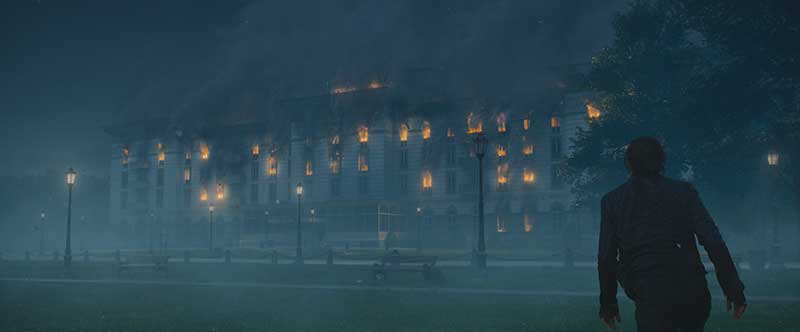
A cinematic descent into the fog of guilt and memory.
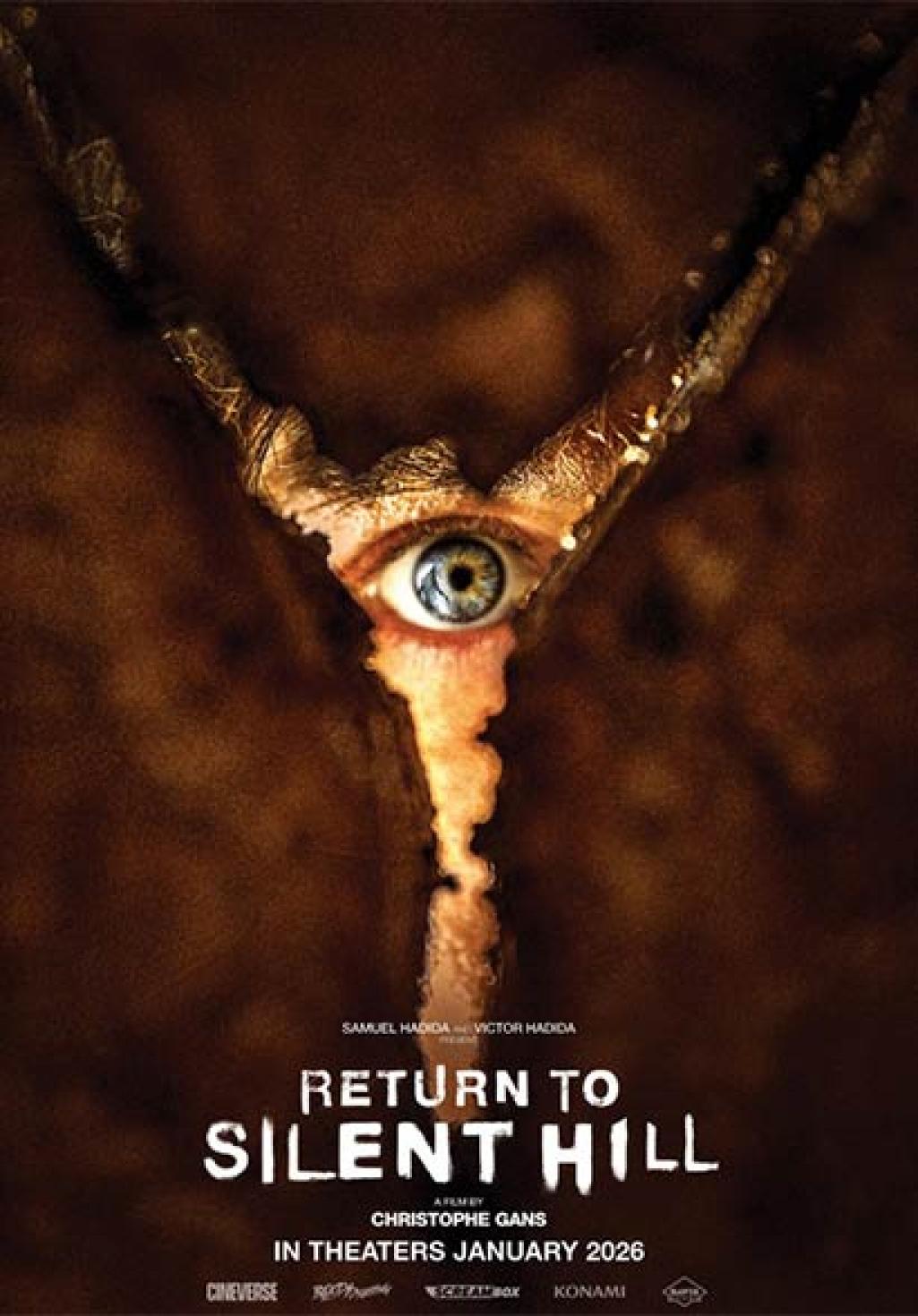
Few films dare to approach a source material considered almost sacred by its fan community, and Return to Silent Hill is one of those rare examples that does not try to compete with the original, but rather to translate it into a different language: that of cinema.
The film directed by Christophe Gans is not a simple adaptation, but a visual and emotional reinterpretation of one of the most disturbing stories in the history of video games.
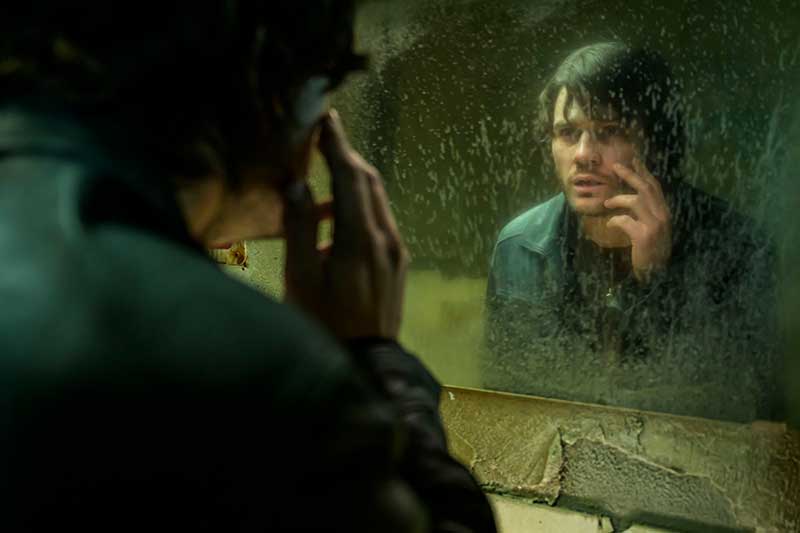
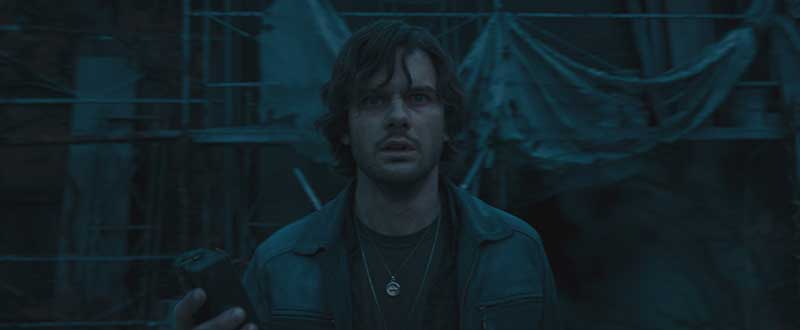
Inspired by the game Silent Hill 2, the film follows the journey of James Sunderland (Jeremy Irvine), a man torn apart by grief and guilt, who receives a letter from his dead wife, Mary (Hannah Emily Anderson), inviting him to return to Silent Hill, their “special” place. From here begins a journey that is not only physical, but deeply internal—a psychological labyrinth in which reality and hallucination merge.
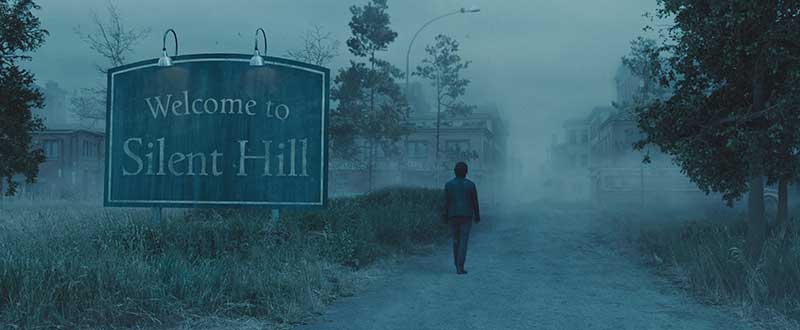
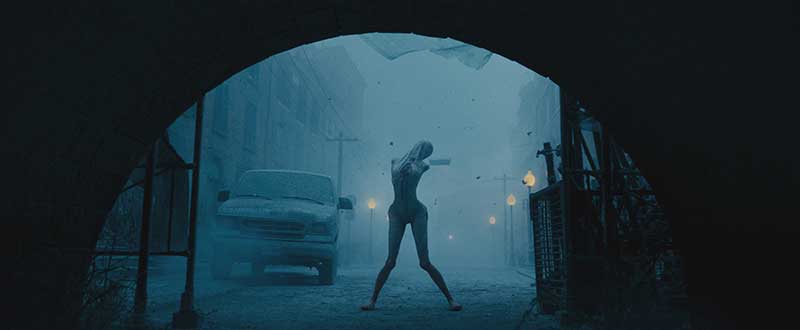
One of the film’s greatest strengths is its atmosphere. Christophe Gans once again proves that he understands Silent Hill not merely as a horror setting, but as a character in its own right. The town is alive, breathing through fog, rust, and silence. Every abandoned street and every decaying building seems to reflect the protagonist’s mental state. From this perspective, the film remains extremely faithful to the spirit of the game.
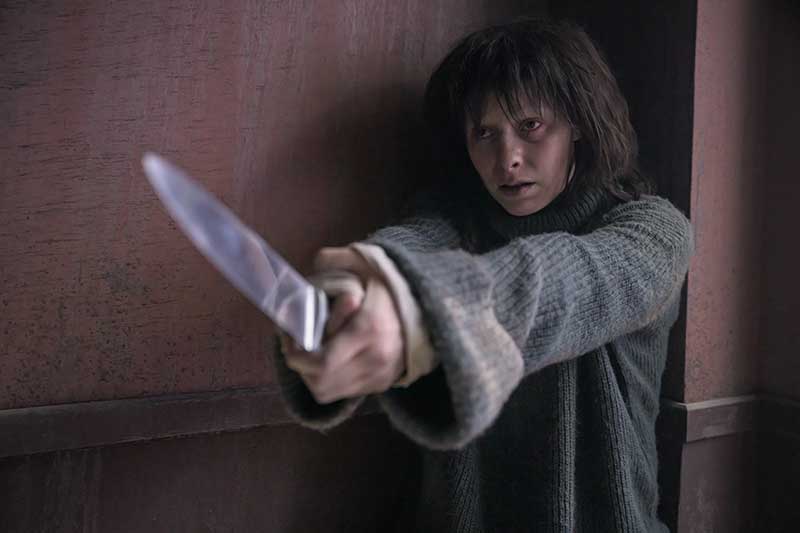
James is not a classic hero. Jeremy Irvine’s performance is restrained, fragile, and deliberately uncomfortable. He perfectly captures the idea of a man who is running more from the truth than from monsters. His relationship with Maria (Hannah Emily Anderson, in a remarkable dual role) is one of the film’s strongest elements. Maria is not merely a sensualized double of Mary, but a projection of James’s desires, frustrations, and guilt—exactly as fans of the game remember her, but with new nuances adapted to the language of cinema.
Compared to Silent Hill 2, the film makes a bold choice: it abandons interactivity and the game’s fully open ambiguity in favor of a more focused narrative. The game offers a multitude of endings, from “Leave” and “In Water” to more symbolic or experimental ones, each reflecting the player’s style and subconscious choices. The film, on the other hand, proposes a single emotional trajectory, but does so with intent: to explore a “canonical” version of James’s guilt.
This difference should not be seen as a weakness, but as a necessary adaptation to the medium. Cinema cannot replicate the freedom of a game, but it can offer something in return: thematic coherence and visual impact. Return to Silent Hill succeeds in condensing the idea of multiple endings into a single symbolic conclusion, suggesting that all paths inevitably lead to a confrontation with one’s inner truth.
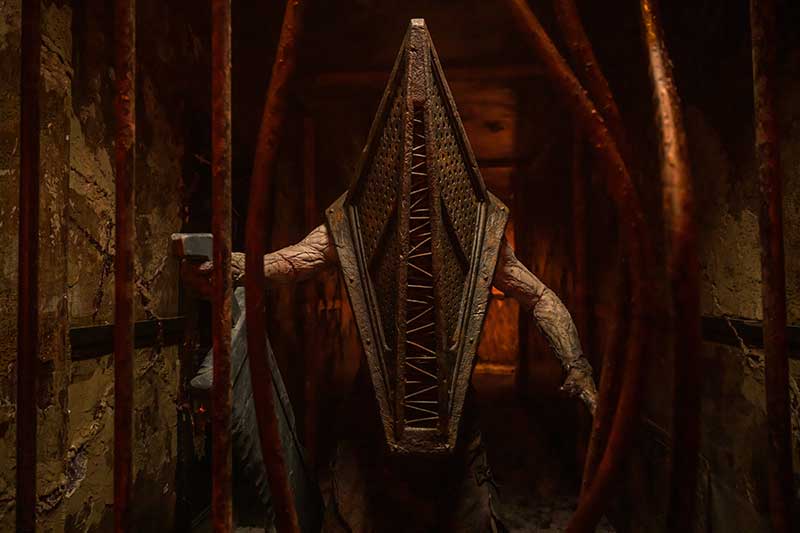
The iconic creatures—the nurses, the deformed figures, and of course Pyramid Head—are used with restraint and respect. They are not mere jump scares, but manifestations of James’s psyche. In this regard, the film preserves the essence of the game: the monsters are not external enemies, but self-imposed punishments.
The soundtrack composed by Akira Yamaoka is another essential element. The music does not merely accompany the images, but emotionally completes them, adding a profound melancholy to key scenes. For those familiar with Silent Hill 2, the musical themes will trigger a powerful sense of nostalgia, as well as artistic continuity.
In the end, Return to Silent Hill does not attempt to replace the experience of the game, nor could it. Instead, the film offers a different perspective on the same story—one that is more direct, more controlled, yet just as disturbing. It is a film that demands patience, openness, and a willingness to accept that not all questions receive clear answers.
For fans of the game, it is a return to a familiar town, seen through a different lens. For those who have not played Silent Hill 2, the film can serve as a gateway into a rarely encountered universe of psychological horror. Return to Silent Hill is not merely a tribute, but a mature cinematic reflection on pain, love, and guilt—a journey from which you never emerge completely untouched.
The third film in the series, Return to Silent Hill, represents a distinct continuation, as it has no direct narrative connections to the first two cinematic productions.
Source: www.cinefan.ro
“ - Alexandru Virgil Avramescu - CineFan.ro